
Self-Tapping Screw Pilot Hole Sizes for Sheet Metal and Steel

Pilot hole sizes for self-tapping screws in sheet metal and steel: Type AB, B and C drill charts, thickness rules and failure risks.
Clearance Hole Chart: Inch and Metric Close, Normal and Loose Fit

ISO 273 metric and ASME B18.2.8 inch clearance hole charts for close, normal and loose fits, plus when to use each fit on OEM drawings.
How to Find a Reliable C-Part Supplier: A Strategic Guide

Quick answer To find a reliable C-part supplier, evaluate candidates on five criteria: total cost of ownership beyond unit price, quality certifications such as ISO 9001 and IATF 16949, delivery reliability, financial stability, and compliance standards. Weighing all five helps cut costs, minimize stockouts, and build a more resilient operation than choosing on unit price […]
Fastener Standards Demystified: A Guide to DIN, ISO, ANSI, & ASTM

Quick answer Fastener standards such as DIN, ISO, ANSI, and ASTM define the performance and quality specs every part must meet, but they evolve, consolidate, and carry regional equivalents that rarely match one to one. Specifying a wrong or non-compliant part risks assembly failures, line shutdowns, and rework, so validate specs and cross-reference standards with […]
Metric vs. Imperial Fasteners: The Definitive Guide for OEMs

Quick answer Metric vs imperial fasteners differ in how size and thread are stated. Imperial bolts use inch diameters and threads per inch, so a 1/4-20 has a 1/4-inch diameter and 20 threads per inch, split into UNC and UNF series. Metric bolts use millimeter diameter and pitch, so an M8x1.25 has an 8 mm […]
An OEM’s Guide to Preventing Heavy Equipment Fastener Failures

Quick answer Preventing heavy equipment fastener failures starts with the root causes: improper torque and clamp load, vibration loosening, fastener fatigue, and corrosion. Incorrect torque is the most frequent cause. Prevention then depends on matching material and coating to the application, controlling torque precisely, using vibration-resistant fastening, and sourcing parts with full lot traceability from […]
Aerospace Fastener Traceability: Why It Matters for OEMs
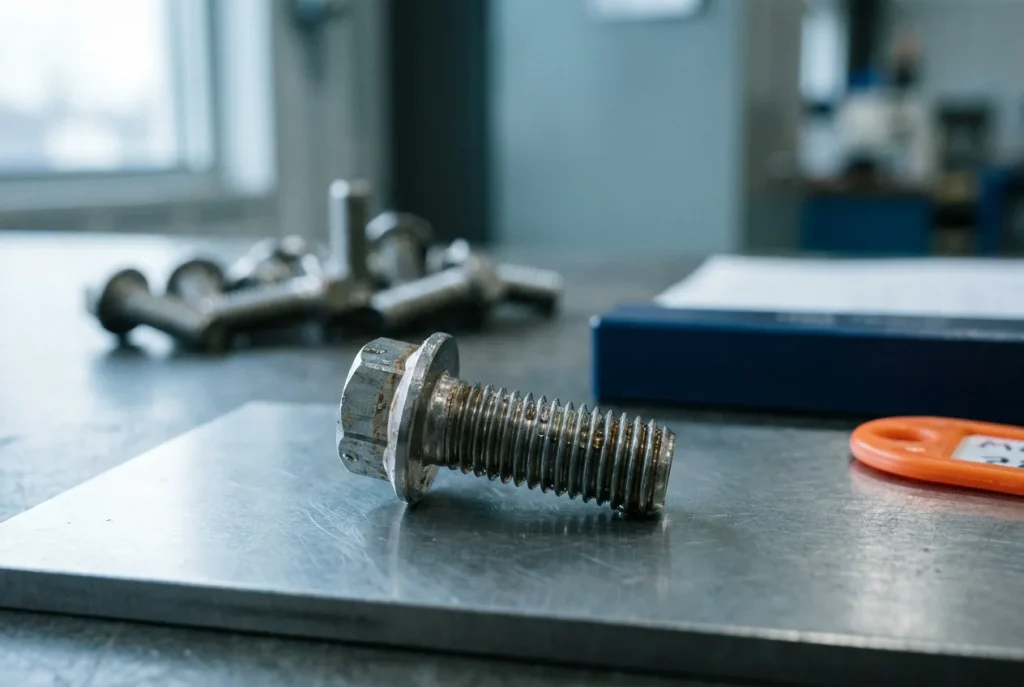
Quick answer Aerospace fastener traceability documents the complete history of a fastener or lot, from raw material melt and chemistry through heat treatment, plating, inspection, distribution and installation. It works through lot traceability and part serialization under AS9100 or AS9120 B controls. It matters because the FAA and EASA require parts traceable to an approved […]
A Guide to Thread Locking Methods for OEM Applications

Quick answer The right thread locking method depends on vibration, thermal cycling, shock loads, reusability, and assembly needs. Chemical adhesives offer excellent vibration resistance but are single use. Nylon insert nuts and prevailing torque nuts allow limited reuse, while serrated flange nuts rely on surface bite. Proper torque and preload underpin every method, and choosing […]
Choosing the Right High Temperature Fasteners for Demanding Applications
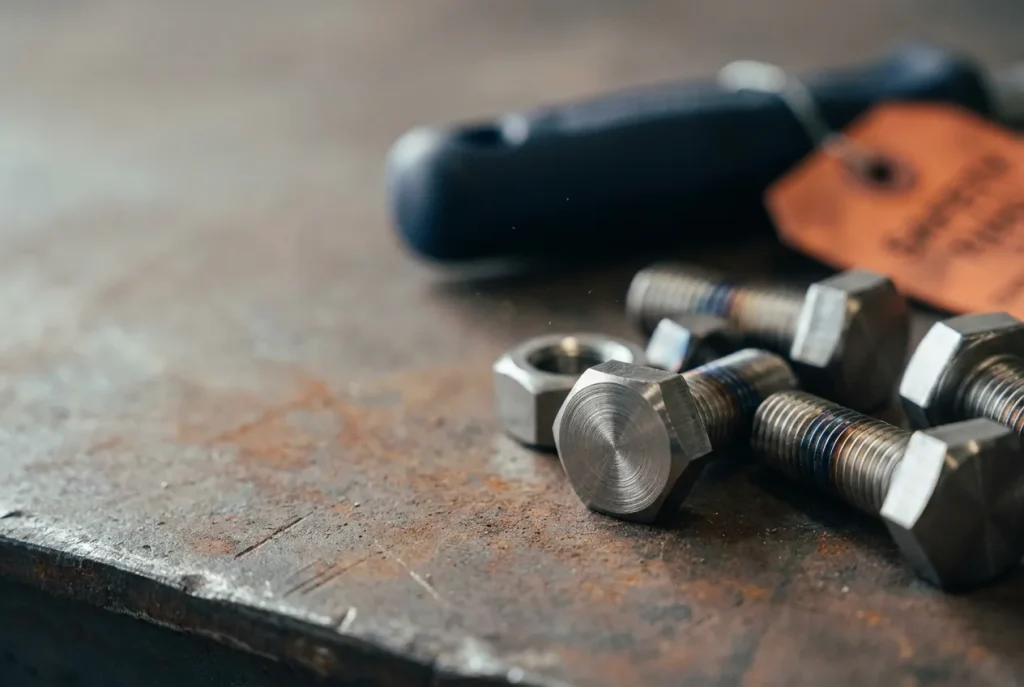
Quick answer Choosing high temperature fasteners starts with an alloy that operates comfortably above your maximum expected temperature, then checks tensile strength at that temperature, thermal cycling, and corrosion exposure. Heat-treated stainless steels handle moderately high heat, while nickel-based, cobalt-based, and iron-based superalloys such as Inconel, Stellite, and A286 serve the harshest environments in jet […]
What Is Supplier Management? Benefits, Strategies & Best Practices

Quick answer Supplier management, also called vendor management or supplier relationship management (SRM), is the structured approach to identifying, selecting, onboarding, evaluating and working with suppliers to reduce risk, improve performance and maximize long-term value. It covers performance tracking, compliance oversight, collaboration and contingency planning, and mature programs report up to 50% fewer quality issues. […]