
Electrical Enclosures & Panel Builders
Electrical Enclosure Hardware for Control Panels and Cabinets
CSG supplies electrical enclosure hardware to builders of enclosures, control panels, cabinets and switchgear: Southco compression and cam latches, hinges and handles, captive panel screws, self-clinching nuts and studs, rivet nuts, grounding and bonding fasteners and HellermannTyton cable management, kitted under one part number and kept stocked through vendor-managed inventory.
Order accuracy rate
Certified quality system
Electrical enclosure latches, hinges, clinch nuts and panel fasteners
From Southco enclosure latches, hinges and handles to clinch nuts, rivet nuts, grounding hardware and HellermannTyton cable management, consolidate the full control panel hardware list through one supply partner.
Latches & Locks
Southco compression, cam, rotary, draw, push-to-close and swinghandle latches, cam locks and electronic access.
Hinges
Free-swing, removable, concealed, detent, torque and counterbalance hinges for cabinet doors and panels.
Handles & Pulls
Surface-mount grab handles, folding handles, flush pulls and concealed pulls for doors and equipment.
Self-Clinching Fasteners
Clinch nuts, studs and standoffs that give strong, reusable threads in thin enclosure walls.
Rivet Nuts & Studs
Sherex and Bollhoff rivet nuts, including PLUSNUT, RIV-FLOAT and hex-body styles, for one-side installation.
Captive & Quarter-Turn Fasteners
Captive panel screws, quarter-turn fasteners and cage nuts that stay with the panel during service.
Grounding & Bonding Hardware
Grounding studs, bonding fasteners, conductive-finish hardware and EMI gasket clips.
Cable Management
HellermannTyton cable ties, cable management systems, conduit, heat shrink tubing and wire identification.
Enclosure hardware by cabinet type
Control panel hardware and enclosure applications
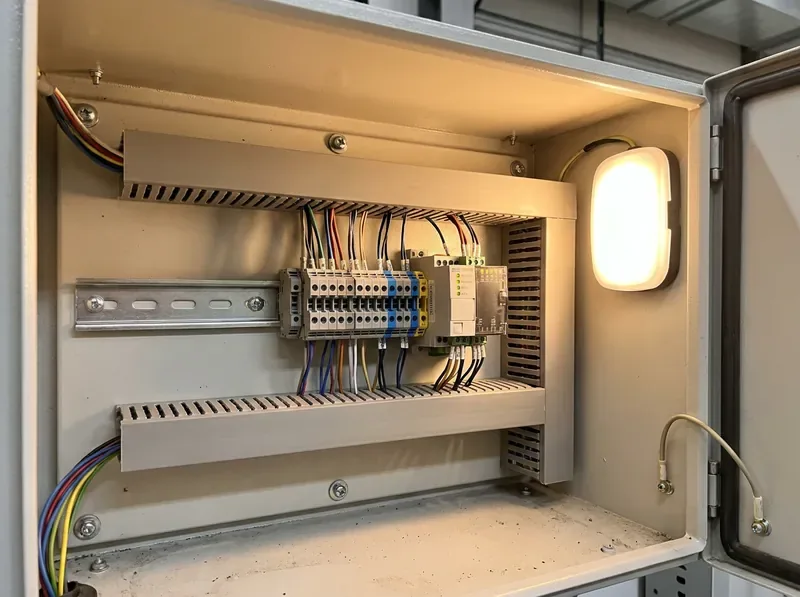
Application
Control Panels & PLC Cabinets
Panel fasteners, DIN rail hardware and enclosure components for PLC, HMI and control panel assemblies.
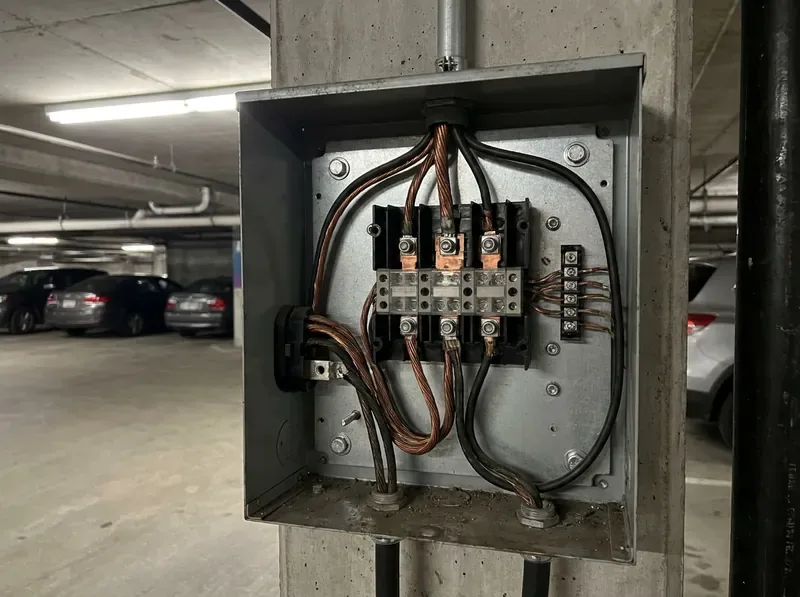
Application
Junction Boxes & Wall-Mount Enclosures
Captive screws, self-clinching nuts, cable glands and sealing hardware for junction boxes and wall-mount enclosures.
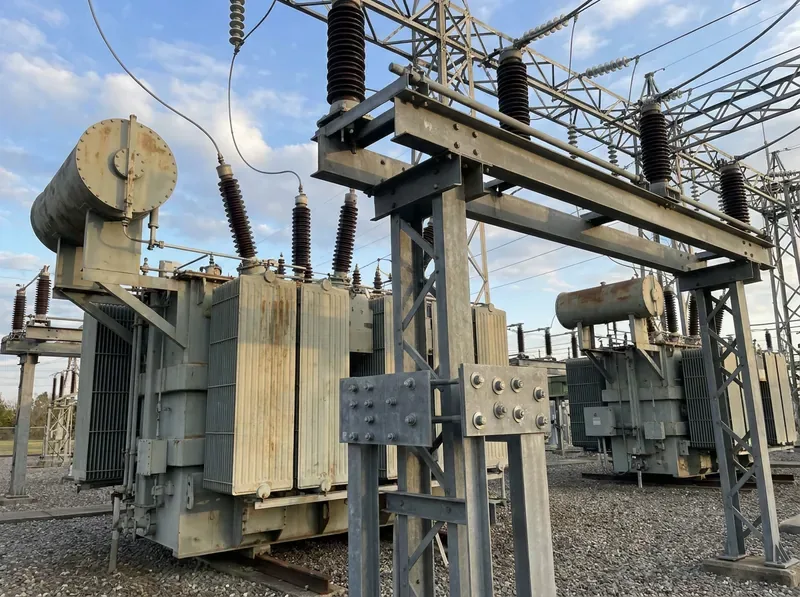
Application
Switchgear & Power Distribution
Quarter-turn fasteners, captive screws, cage nuts, IP-rated panel hardware and bonding hardware for switchgear.
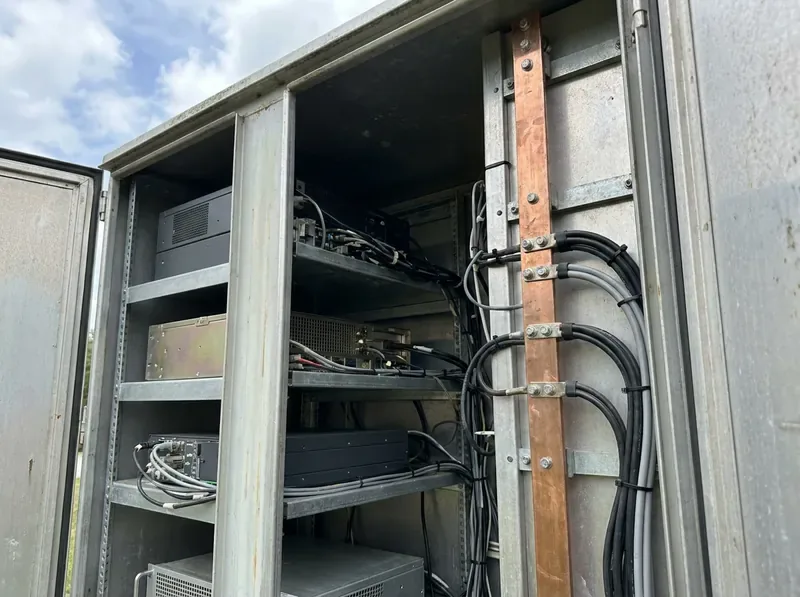
Application
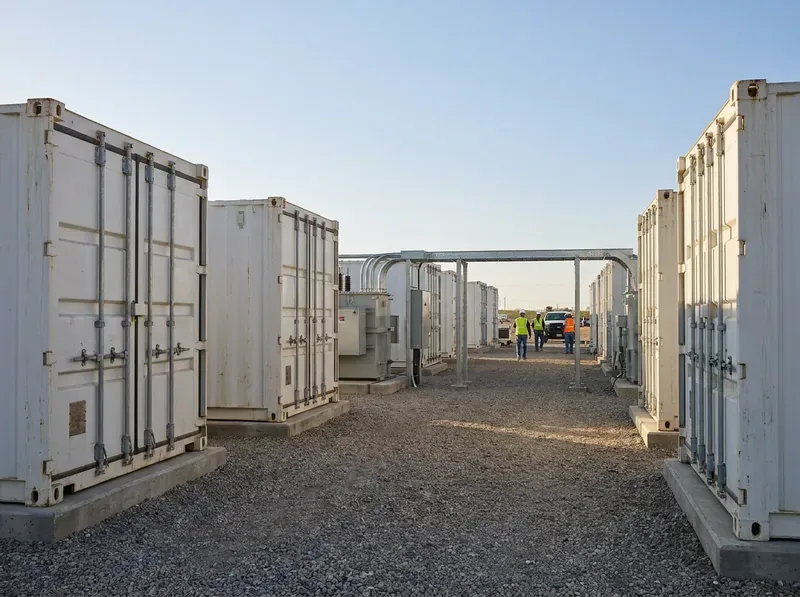
Outdoor & Telecom Cabinets
Compression latches, grounding hardware, sealed fasteners and cable management for weather-exposed cabinets.
Application
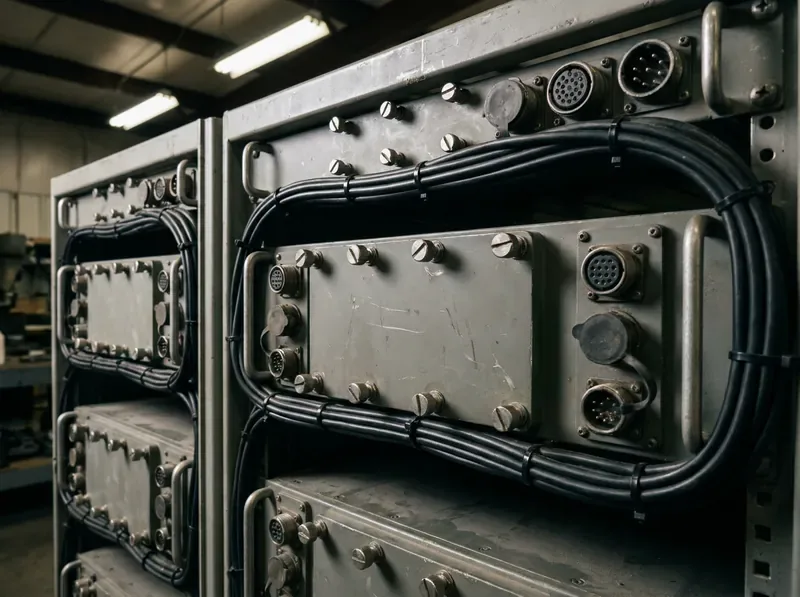
Energy Storage & Charging Cabinets
Busbar connection hardware, self-clinching nuts, rack fasteners and sealed cable entry for battery and charger cabinets.
Application
Rugged Electronics Enclosures
Panel fasteners, threaded inserts, captive hardware and EMI shielding components for rugged electronics systems.
Why panel builders choose CSG for enclosure hardware
CSG combines authorized brand access with design assist engineering, kitting and inventory programs to simplify the supply chain behind every enclosure and panel.
Design Assist Engineering
Help selecting latches, grip ranges, clinch hardware and grounding parts for your enclosure design.
Kitting & Assembly
Hardware for a door, panel or whole cabinet packed and labeled as one ready-to-use kit.
Inventory Solutions
Programs that keep line-side bins full without excess stock on your shelves.
Quality & Documentation
ISO 9001:2015 quality system with lot traceability and documentation support.
What CSG's electrical enclosures & panel builders support includes
Design Assist Engineering:
- Latch and grip range selection
- Self-clinching and rivet nut selection
- Material and finish review
- Part count consolidation
Kitting & Assembly:
- Single-SKU enclosure kits
- Sorting and inspection
- Packaging and labeling
- Sub-assembly services
Inventory Solutions:
- Vendor-managed inventory
- Consignment programs
- Bin stocking from Lexington, KY
- Just-in-time replenishment
Quality & Documentation:
- ISO 9001:2015 certified
- Lot traceability
- Material certifications
- RoHS-compliant finish options
What to specify for enclosure sealing and grounding
Enclosure performance depends on small parts: the latch that compresses the gasket, the fastener that carries the ground path and the clinch hardware that suits the sheet.
Compression latches for NEMA 4X and IP65
Hitting NEMA 4X or IP65 takes even, steady pressure on the door gasket all the way around. A compression latch adds a pull-down motion that draws the door into the frame, while a standard cam latch rarely seals tight enough. Southco E3 compression latches deliver up to 6.4 mm (.25 in) of consistent compression, come in 316 stainless steel and meet NEMA 4 and IP65.
Measure grip range before you specify
Grip range is the total thickness a latch accommodates, measured from the outer surface of the door or panel to the surface the latch hooks onto. Measure panel thickness and frame configuration before specifying, because a latch used outside its grip range will not fit or compress correctly. Match the latch and gasket to the rating you need, then verify the build with a sealing test.
Conductive elastomers in EMI gaskets
An EMI shielding gasket creates a continuous conductive seal along enclosure seams. Most are conductive elastomers filled with silver, nickel or carbon particles, which also seal against the environment. Fasteners provide both the mechanical connection and the electrical contact between panels and frames, so conductive finishes, grounding studs, bonding fasteners and EMI gasket clips help keep continuity across every seam and door.
Clinch fasteners for stainless panels
Self-clinching fasteners give strong, reusable threads in sheet as thin as 0.51 mm (.020 in) without welding or tapping. A stainless panel needs a precipitation-hardened stainless steel clinch fastener that is harder than the host sheet, because standard carbon steel or 300-series stainless fasteners are not hard enough to clinch into it. Follow the datasheet hole size, sheet thickness and edge distance.
Enclosure hardware technical guide: latches, clinch nuts and sealing
Cam versus compression latches, grip range, self-clinching fasteners versus rivet nuts, grounding and EMI, NEMA and IP sealing and hazardous locations.
Cam, Compression or Quarter-Turn Latches
Cam, compression and quarter-turn latches differ mainly in sealing, vibration resistance and access. A cam latch turns 90 degrees and swings its arm behind the frame, holding the door mechanically with low gasket compression. A compression latch adds a second motion that pulls the door tight against the gasket.
Southco compression latches use VISE ACTION technology, combining a 90-degree turn with a linear pull that draws the door into the frame in one motion. For vehicles, machinery and other high-vibration settings, a compression latch is almost always the right call. Quarter-turn latches give quick, secure, often tool-operated closure without heavy sealing.
Grip Range & Panel Thickness
Grip range is the span of panel and frame material thickness a latch accepts, measured from the outer surface of the door or panel to the surface the latch hooks onto. The same latch model may fit one door and fail to engage on a thicker double-wall panel.
Measure panel thickness and frame configuration before you specify. A latch used outside its grip range will not fit the enclosure correctly and will not deliver the intended compression.
Self-Clinching Fasteners vs Rivet Nuts
Self-clinching fasteners create strong, permanent threads in sheet metal as thin as 0.51 mm (.020 in), install without heat and resist pushout and torque-out under vibration. They need a press with parallel-acting surfaces, a fastener harder than the sheet, and the hole size, sheet thickness and edge distance on the datasheet.
Rivet nuts install blind with a pull-type tool, need access to only one side and also work in hard plastics, fiberglass and some composites. Clinch nuts need both sides, sit almost flush and resist spinning better; rivet nuts leave a visible flange. Standard clinch nuts and rivet nuts are priced similarly, so access and assembly method decide.
Grounding, Bonding & EMI Continuity
Proper fastener selection helps maintain electrical continuity across enclosure panels, doors and access points. Conductive finishes, grounding hardware and proper joint design help create an effective EMI shield.
Key considerations include fastener material and plating conductivity, contact area and pressure at panel joints, gasket compression and retention, and grounding path design. CSG can source conductive-finish fasteners, grounding hardware, EMI gasket clips and other shielding accessories suited to enclosure and chassis applications.
Sealing to NEMA & IP Ratings
IP67 means an enclosure is dust-tight and survives temporary immersion in water up to 1 meter. IP68 is also dust-tight but rated for longer immersion at greater depth, as set by the manufacturer. NEMA 4X and IP65 builds need even, steady gasket pressure all the way around the door, which is the job of a compression latch.
Cable entries are sealed with IP-rated cable glands and bushings, and doors and panels with elastomer or conductive gaskets. Bolted joints exposed to weather use stainless or corrosion-resistant screws with bonded or weather-sealed washers, so water cannot track along the threads.
Hazardous Location Enclosures
Hazardous locations need enclosure hardware and cable glands designed for explosive atmospheres under ATEX, IECEx and NEC 500/505 requirements. Stainless steel fasteners are typical for junction boxes and explosion-proof enclosures.
CSG supplies ATEX cable glands and explosion-proof enclosure hardware for sites in Class I Division 1 and Division 2 areas. Share the area classification and certification requirements with the RFQ so parts are matched to the rating.
Related Industries